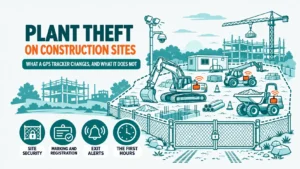
Plant theft and GPS tracking, the essentials Plant theft is...
Read the article →Chemicals · ADR transport · Hazardous waste
Tracking tank containers, IBCs and skips, even in ATEX zones
Launch planned for early 2027 · projects can be scoped now
Know where your tanks are, how long they have been sitting at your customers' sites and which ones are not coming back, without removing the tracker when the asset enters a classified zone.
II 2 GDATEX and IECEx
gas and dust
gas and dust
1·2·21·22approved
zones
zones
Up to 10 yearsdepending on conditions
and reporting frequency
and reporting frequency
Tank located
arrived at the customer's site
Dwell alert
agreed stay exceeded
In brief
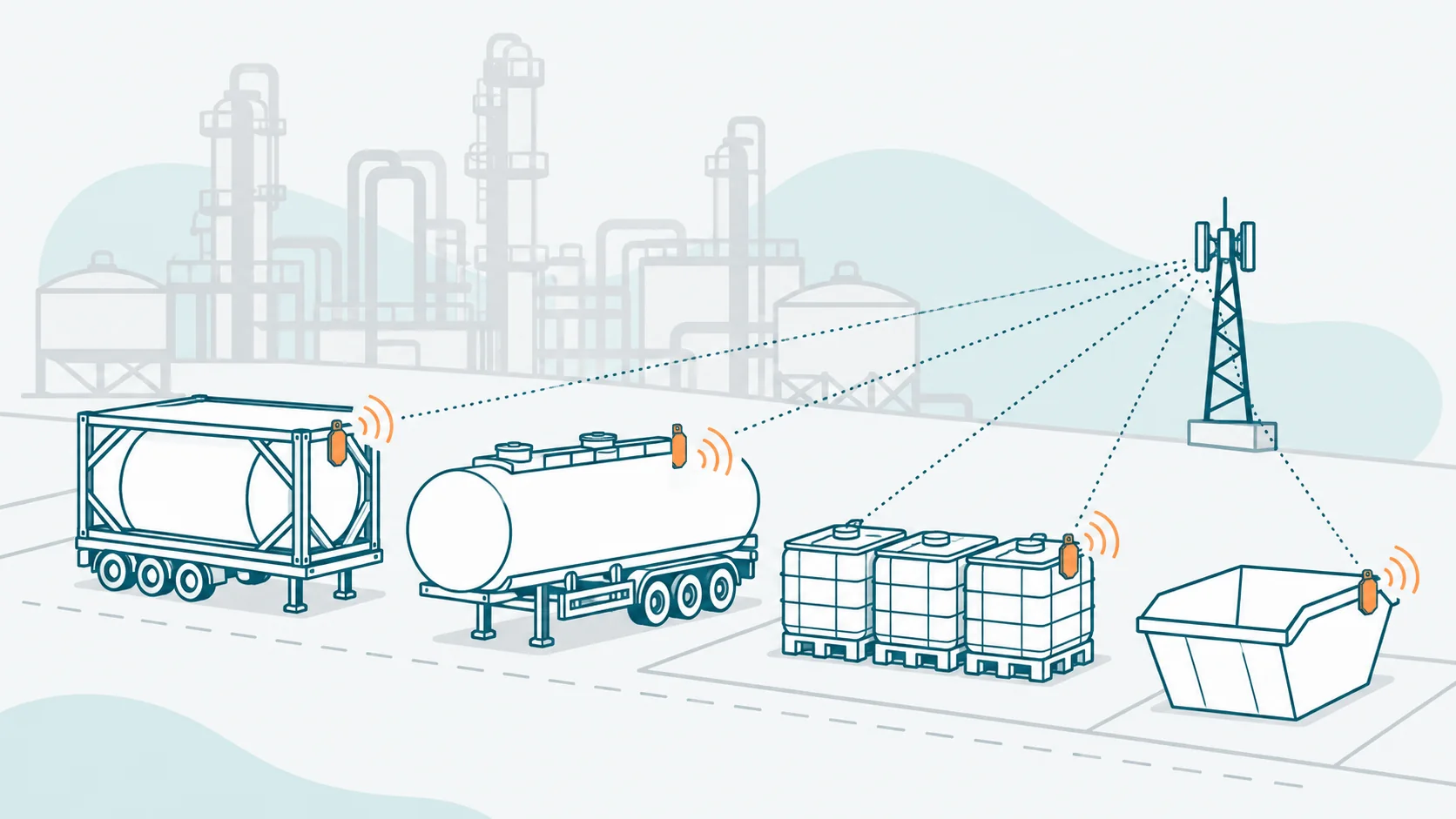
An ATEX GPS tracker follows the hazardous goods containers that stand in or pass through a classified zone: tank containers, ISO tanks, trailers, IBCs and skips. The TRAKmy ULTRA ATEX is ATEX and IECEx certified for zones 1, 2, 21 and 22, not for zones 0 and 20. It is fixed to the outside of the asset, has a built-in eSIM, and measures rotation, stays at customer sites and returns on the same platform as the rest of the fleet.
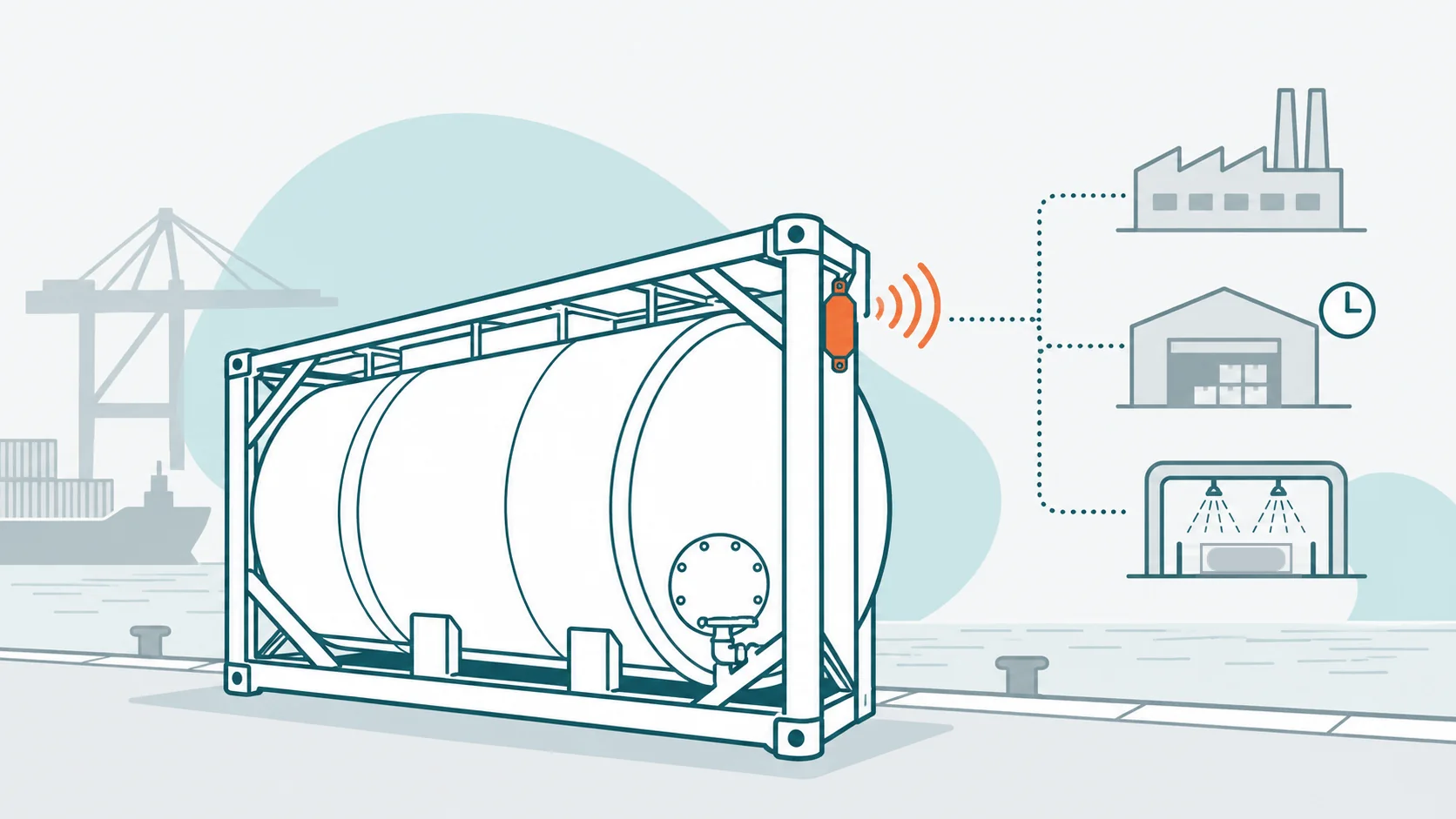
Chemicals and petrochemicalsTank containers, ISO tanks: rotation, idle time, invoicing
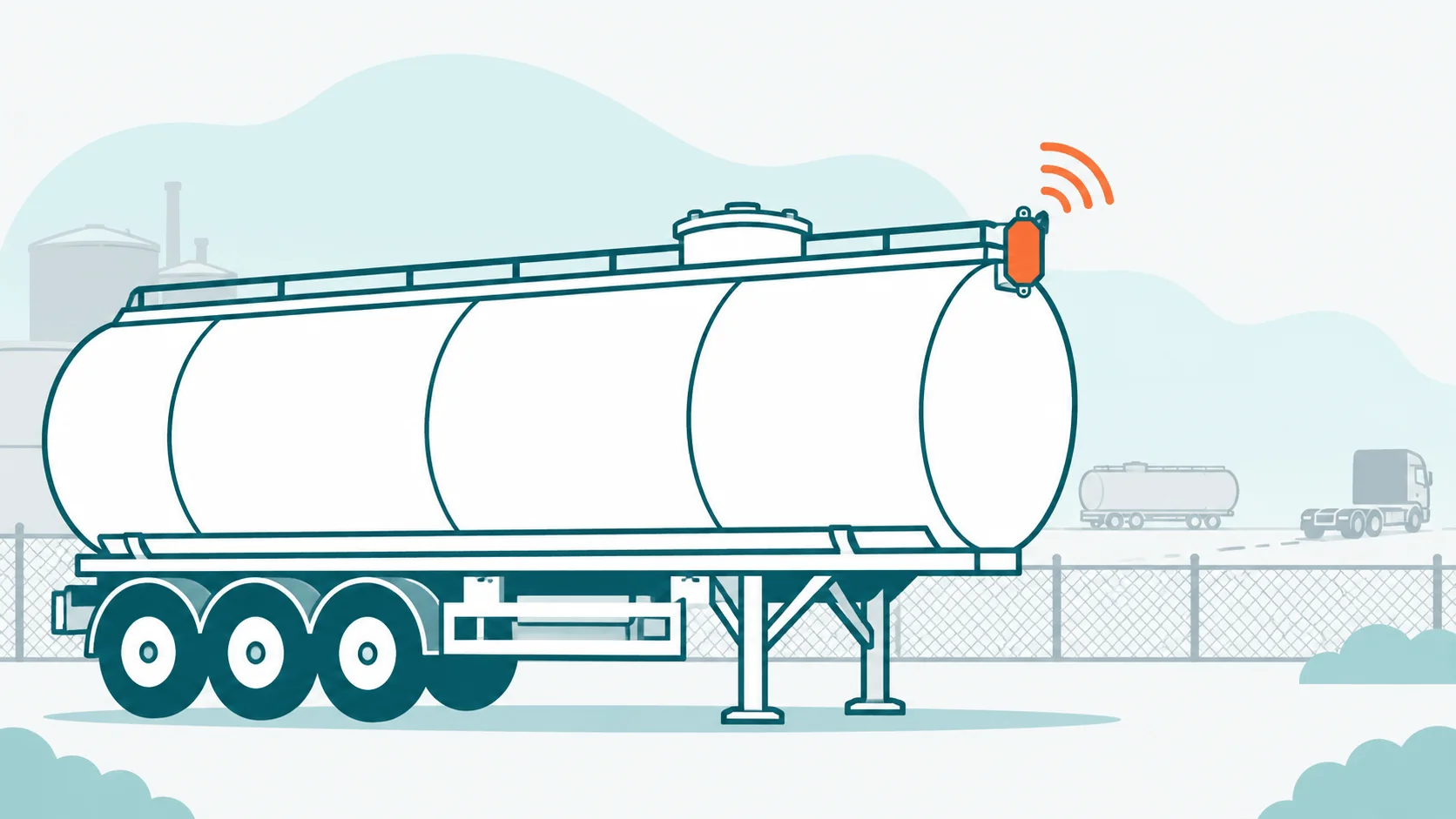
Chemical transportTrailers, portable tanks: traceability, returns, availability
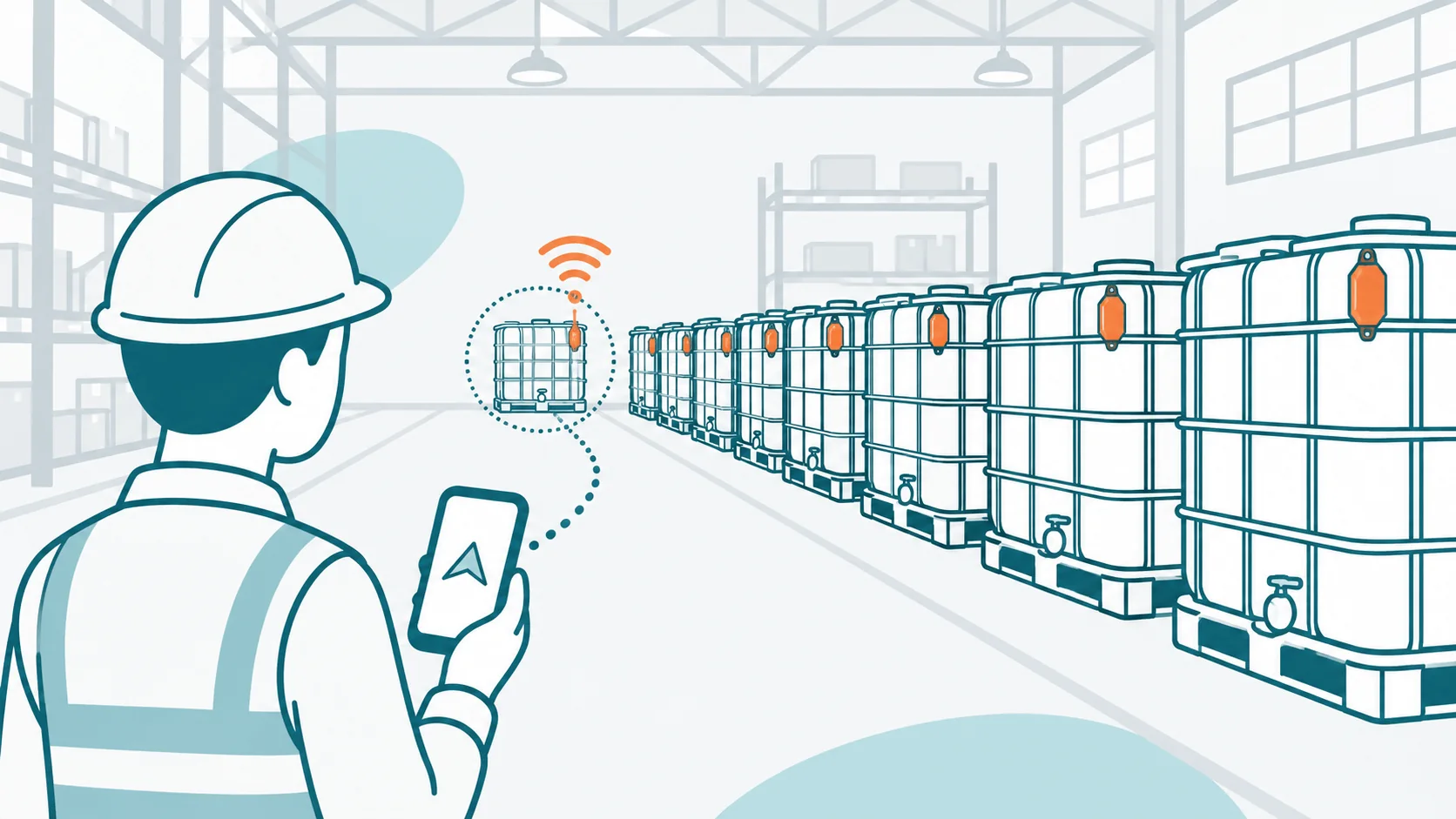
Industrial IBCs600 to 1,000 litre containers: find them, keep returns under control
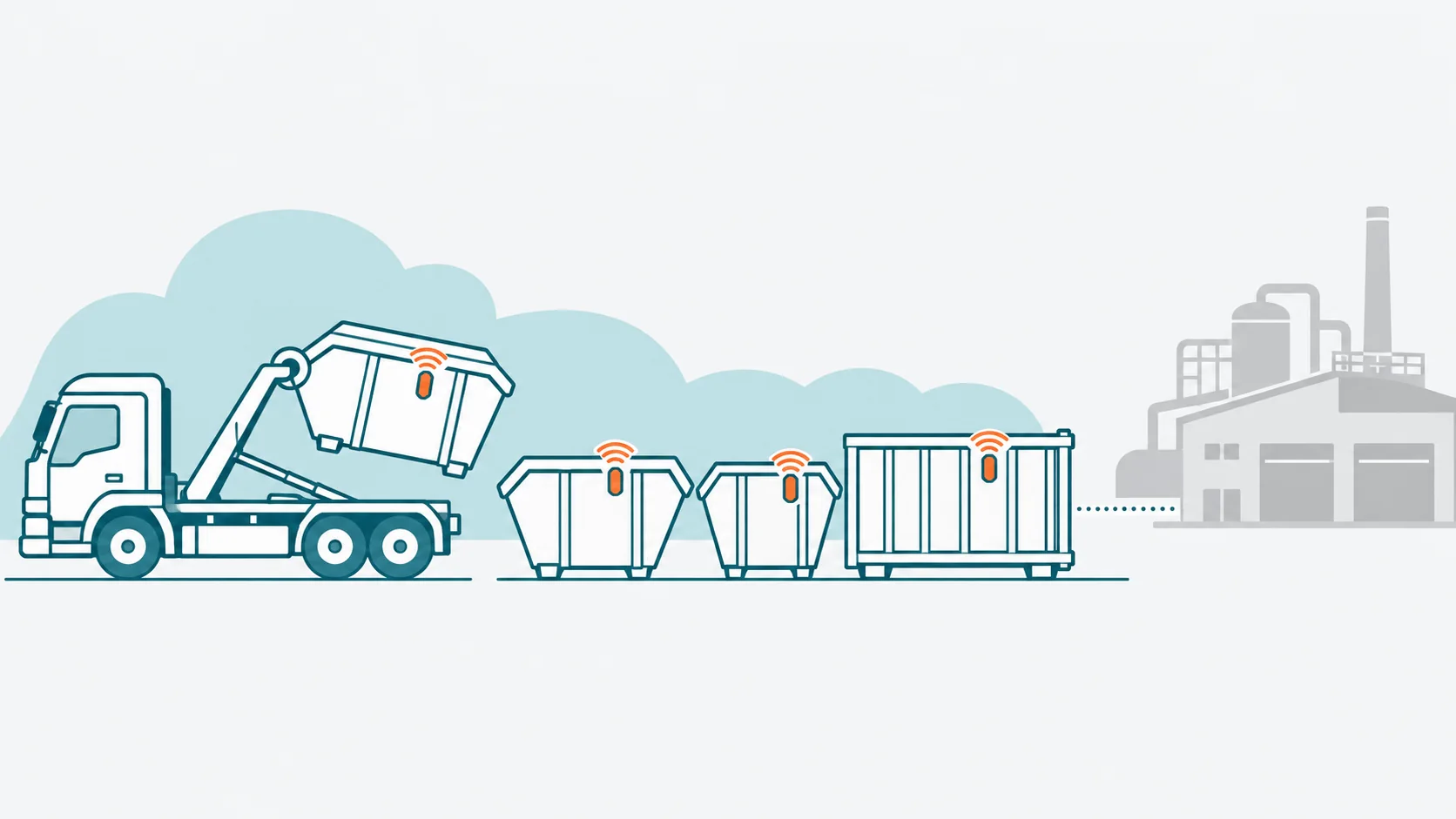
Hazardous wasteSkips, containers, roll-on roll-off bins: collection, rotation, losses
The challenges
Why track hazardous goods
containers?
Because they are expensive, they move around third-party sites and they often escape tracking: an ordinary tracker is not allowed into a classified zone. As a result, the most closely controlled assets in the fleet are still managed by spreadsheet and by phone.
Assets sitting idle at customer sites
An empty tank waits on a third-party site. Nobody knows until equipment runs short.
Idle time not invoiced
Without a reliable arrival and departure date, the actual stay is hard to justify.
Containers that do not come back
IBCs and skips scatter between sites, cleaning stations and subcontractors, and then more are bought.
Inspection deadlines
A container that cannot be found on its inspection date is an asset out of circulation.
Blind spot in the classified zone
Tracking stops where the asset loads and unloads, just when it matters most.
Chemicals and petrochemicals
Tank containers and ISO tanks: rotation, idle time, invoicing
An ATEX tracker fixed to the outside of a tank container shows where it is, how long it has been standing at each customer's site and when it leaves. You measure the fleet's actual rotation and you back every day of idle time with time-stamped data.
Fleet rotation
Actual duration of each stage: loading, transport, stay at the customer's site, tank cleaning station, return. You see where the cycle gets stuck.
Idle time
One geofence per customer site and a "too long in the geofence" alert flag the tanks that are sitting idle.
Invoicing
Time-stamped site entries and exits, exportable as a report or to your ERP through the API, to support an invoice or answer a dispute.
Check before fitting
The tracker withstands -20 to +60 °C. On an insulated or heated tank, keep it away from hot parts, and place insulation between it and any metal exposed to the sun. Drilling must be approved by the manufacturer or the body that inspects the equipment.
Chemical transport
ADR trailers and portable tanks: traceability, returns, availability
An uncoupled trailer has no power supply and the tractor unit's telematics box no longer follows it. A standalone tracker stays on the trailer or the portable tank: it gives its position, its activity and its shocks, including during loading in a classified zone.
Journey traceability
History of positions and journeys per asset, kept for 12 to 36 months depending on the platform plan.
Availability
You see which trailer is free, in which yard and since when, without ringing every depot.
Shocks and activity
Shock detection up to 16 g, with thresholds set remotely, and an alert if the asset moves outside the planned hours.
Check before fitting
The tracker changes none of your ADR obligations. Any work on a tank must remain compatible with its approval. Involve your dangerous goods safety adviser in choosing the fitting point.
Industrial IBCs
IBCs: find the containers and keep returns under control
IBCs of 600 to 1,000 litres move between sites, customers and cleaning stations, and paper tracking soon falls behind. One tracker per container shows who holds what and since when, and brings out the IBCs that never come back.
Inventory per site
The IBC stock updates itself at every geofence entry and exit, on your own sites and at your customers'.
Finding a container
The mobile app guides your teams to the asset. Indoors, Wi-Fi scanning takes over from GPS, with no infrastructure to install.
Inspection deadlines
The Analytics plan schedules a maintenance programme per asset: useful for anticipating the periodic inspections at 2.5 and 5 years set out in section 6.5.4.4 of ADR 2025.
Check before fitting
The manufacturer cites metal IBCs certified UN 31A/Y. On a caged composite IBC, the fitting point and the business case are assessed case by case: it takes a flat surface and fixing with screws or rivets.
Hazardous waste
Hazardous waste skips and containers: collection, rotation, losses
Skips, containers and roll-on roll-off bins stay with the waste producer until collection, then go for treatment. The tracker locates each container, measures how long it has been on site and flags those that stand idle or drop out of circulation.
Collection
Your teams know where each container is and how many days it has been waiting, so they can organise collections.
Rotation
Length of stay per producer and per treatment centre: you see where the fleet is under-used.
Losses and movements
Zone exit, unexpected movement or tipping alerts, through the built-in activity and orientation sensors.
Check before fitting
Fit it high up, between the stiffeners, with nuts and bolts. Avoid moving parts, lifting points, the underside and the inside of the skip. For containers that never enter a classified zone, see our skip management page.
What about waste consignment notes?
In France, hazardous waste consignment notes and registers go through Trackdéchets (French Ministry for Ecological Transition, page in French updated on 10 December 2025). Whatever your country's system, the tracker does not replace it: it follows the physical container.
Which assets should you equip first?
Inventory, zoning and fitting points: we review your fleet with you, with no commitment.
Rotation and idle time
What does an idle asset cost you?
The calculation fits on one line: number of assets × avoidable idle days × value of one day. The hard part is getting the actual days, and that is what the geofences placed on your sites, your customers' sites and the tank cleaning stations measure.
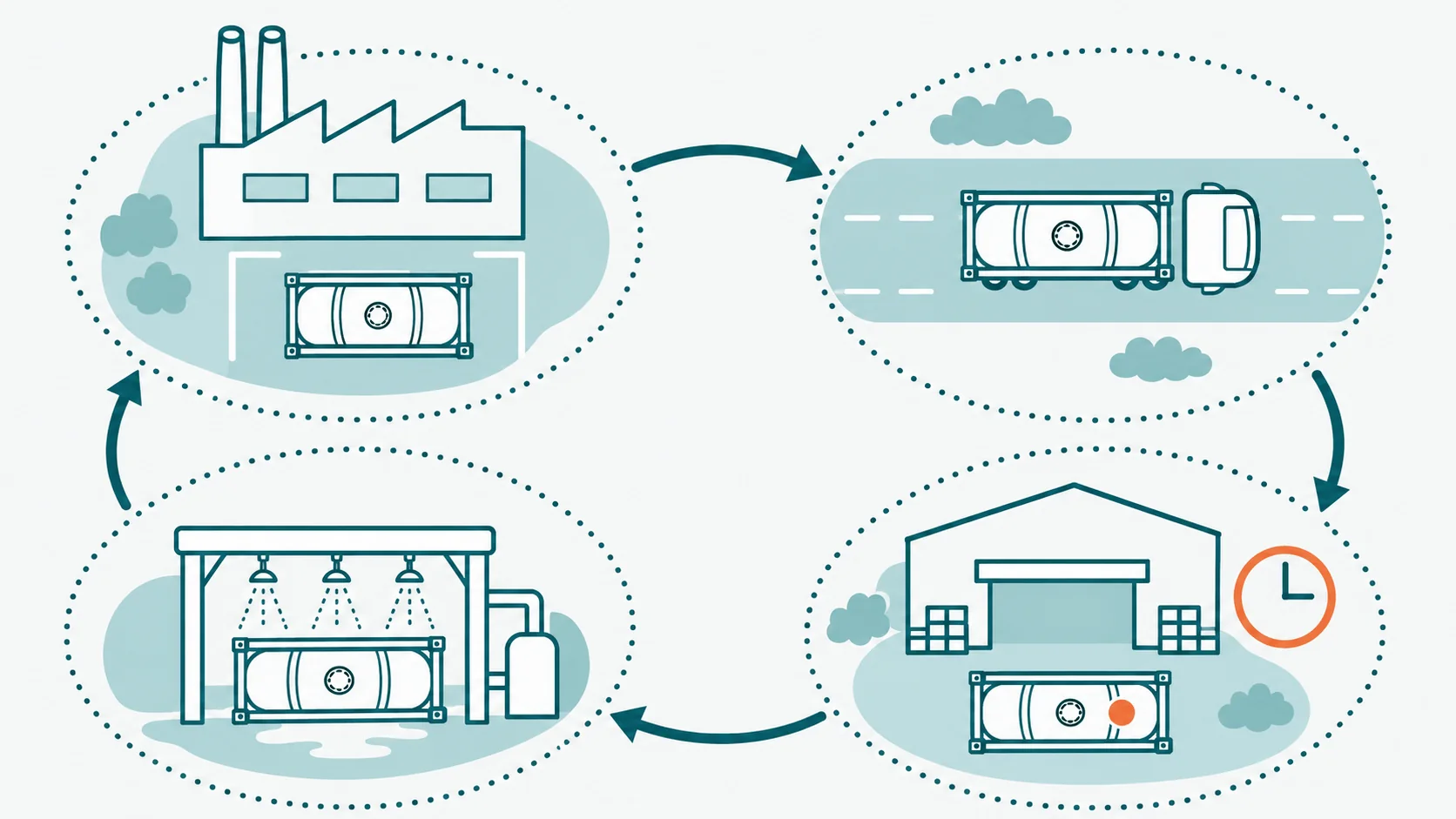
Network
What happens when the asset leaves coverage?
The tracker keeps storing its positions and readings, then sends them automatically when the network returns. A sea crossing or a stay outside coverage therefore leaves a complete record, with a time lag.
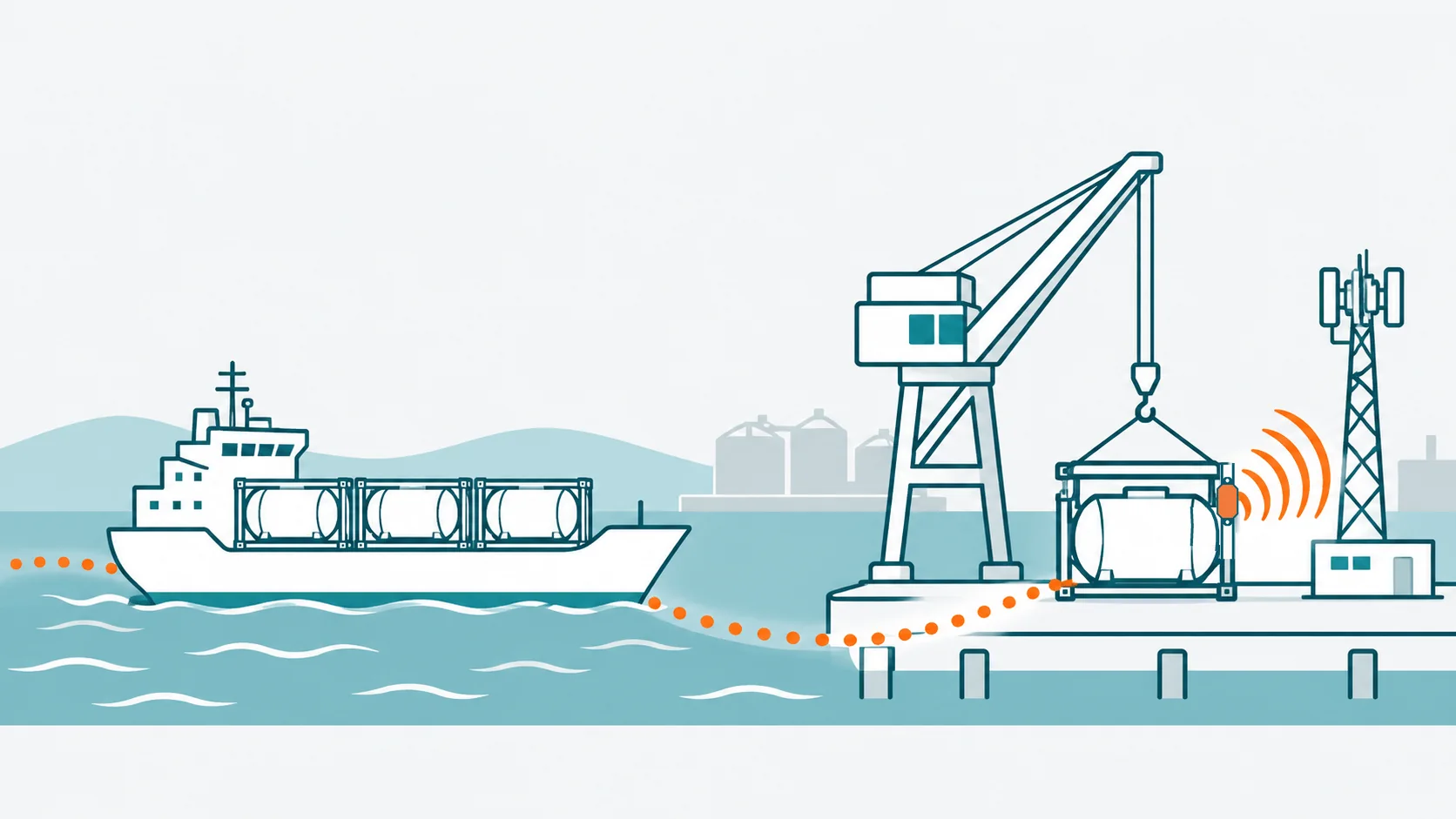
Extended plan, built-in eSIM
Dual network NB-IoT and LTE-M, EXTENDED plan included: Europe, North America and a few other countries. See the coverage.
Network and certificate are two separate matters
Being covered does not mean the certificate is recognised. Outside the European Union, which includes the United Kingdom, check the local requirement for your classified zones: IECEx or a national scheme.
Sea freight and long distance
A fleet that goes to Asia or the Middle East is managed mainly at the ports and on return. We look at your corridors before you commit.
Installation
Where do you fit a tracker on a tank, an IBC or a skip?
Always outside, high up, upright and with a clear view of the sky. The inside of a tank is zone 0, where the tracker is not permitted. Mounting is fixed, with screws or rivets: two 7 × 9 mm holes 115 mm apart, no magnet kit.
| Asset | Where to fit | What to avoid |
|---|---|---|
| Tank container, ISO tank | On the outer frame, high up | The tank shell, vents and relief valves, hot parts |
| Trailer, portable tank | On a fixed part, with no metal above the tracker | The underside of the chassis, parts exposed to frequent knocks |
| Metal IBC | On a flat surface of the frame | The fork entry areas, the inside of the container |
| Skip, roll-on roll-off bin | High up, between the stiffeners, with nuts and bolts | Lids and doors, lifting points, underside, inside |
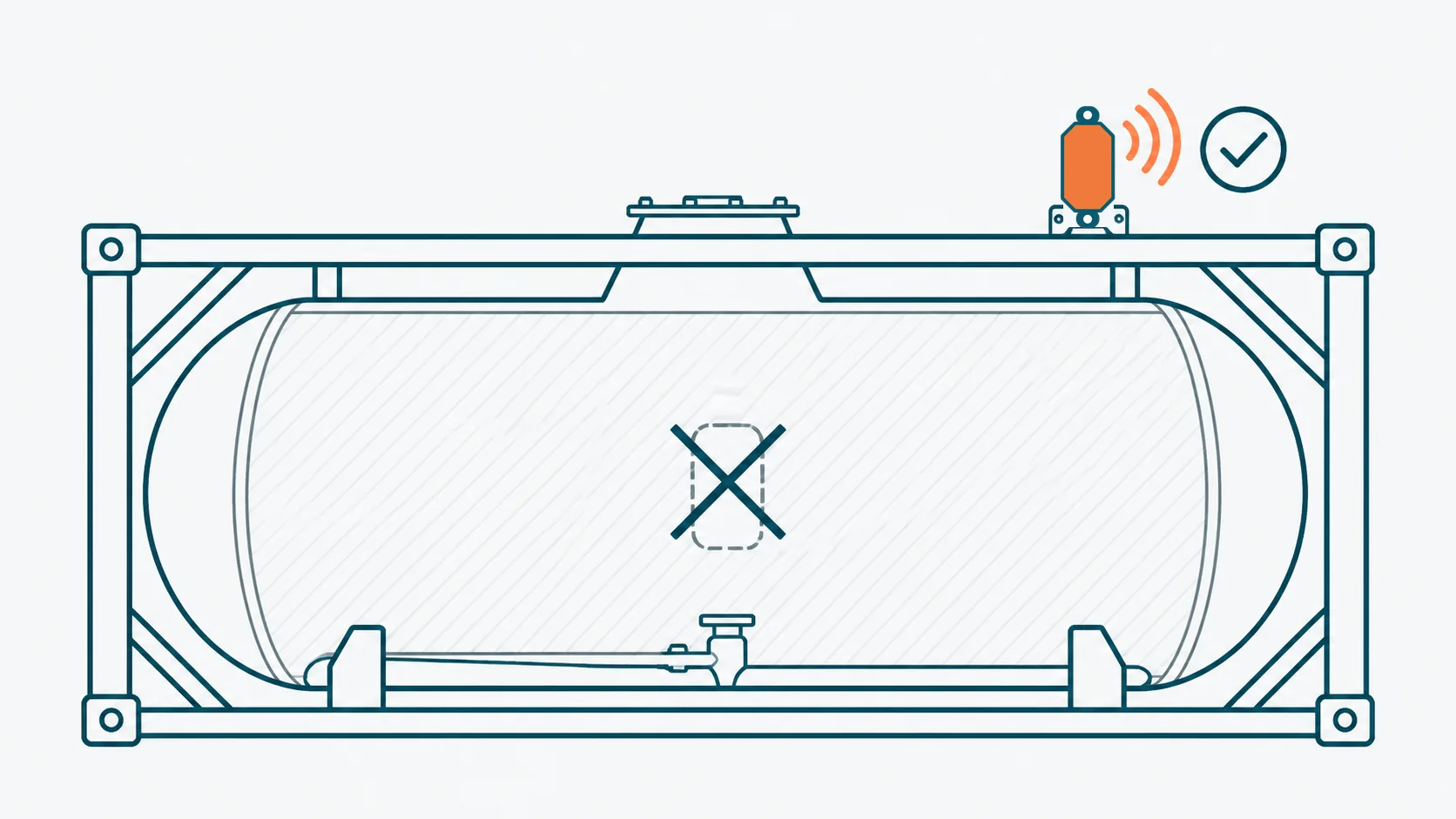
The zoning of each location decides where the tracker goes, not this table. The zones and how to read the II 2 GD marking are set out on the ULTRA ATEX product page.
Regulations
What the tracker brings, and what it does not replace
The tracker documents where your assets are. It classifies no zone, is not evidence of ADR conformity and replaces no consignment note. Each obligation keeps its owner.
| Text | What it provides | Where the tracker fits in |
|---|---|---|
| Directive 1999/92/EC | The employer classifies places where explosive atmospheres may occur into zones (Article 7) and draws up an explosion protection document (Article 8) (text on EUR-Lex). | Check that the marking suits the zones the asset passes through. |
| Directive 2014/34/EU | Governs equipment intended for use in explosive atmospheres (text on EUR-Lex). The French institute INRS summarises, in French, how zones map to equipment categories. | DEKRA 26ATEX0011X and IECEx DEK 26.0004X certificates. Only the tracker is certified, not the BLE tags or sensors. |
| ADR 2025 | A note to section 1.10.3.3 refers to telemetry or other tracking devices for high consequence dangerous goods, where appropriate and already fitted (UNECE text). | A tool in support of your security plan, to be discussed with your dangerous goods safety adviser. |
| Hazardous waste | In France, consignment notes have been paperless since 1 January 2022 and registers have been kept on Trackdéchets since 5 May 2025 (ministry page, in French). Other countries have their own system. | No declaration made in the operator's place: the tracker adds to your operating data. |
| GDPR | Governs personal data, including that of an employee who is tracked. | The tracker follows an asset, not a person. |
Getting started
How do you prepare a project before the launch?
A project in a classified zone takes more preparation than a standard roll-out. Starting now means a pilot can begin as soon as the first trackers arrive, in early 2027.
1
Now: the study
We start from your assets and your sites to frame the project.
Inventory of the assets concerned
Zoning extracts for the sites
Fitting points to validate
Network coverage of your corridors
2
Early 2027: the pilot
A sample of assets and a few sites, to fine-tune the tracking.
Fixed mounting by qualified personnel
Geofences per site and per customer
Departure, arrival and dwell alerts
Reporting frequency matched to the battery
3
Then: the fleet
Roll-out, then integration with your tools.
Deployment across the rest of the fleet
API to your ERP
Scheduled reports for the teams
Choice of platform plan
The platform
A single view of the whole fleet
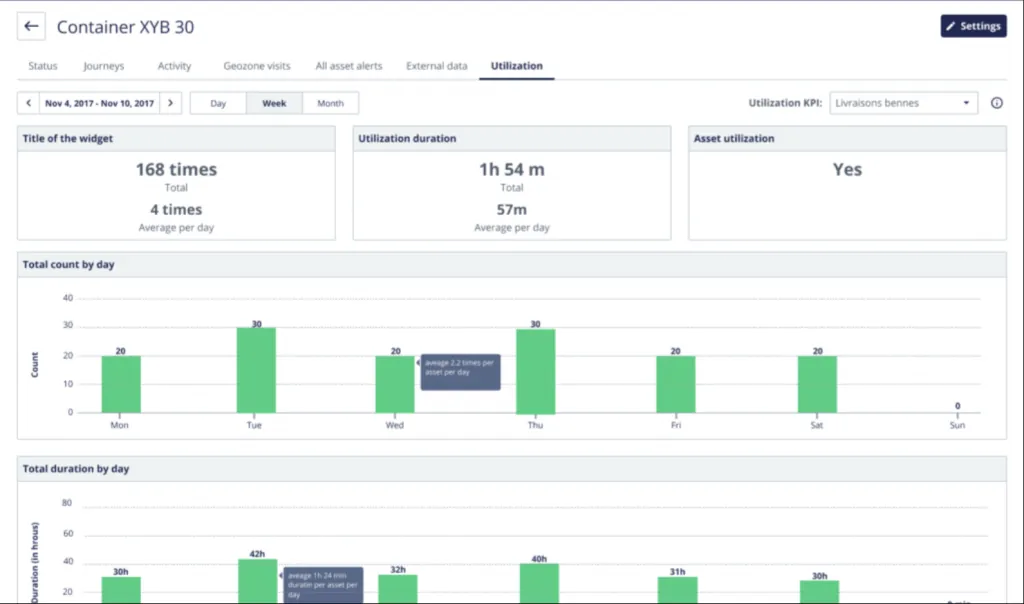
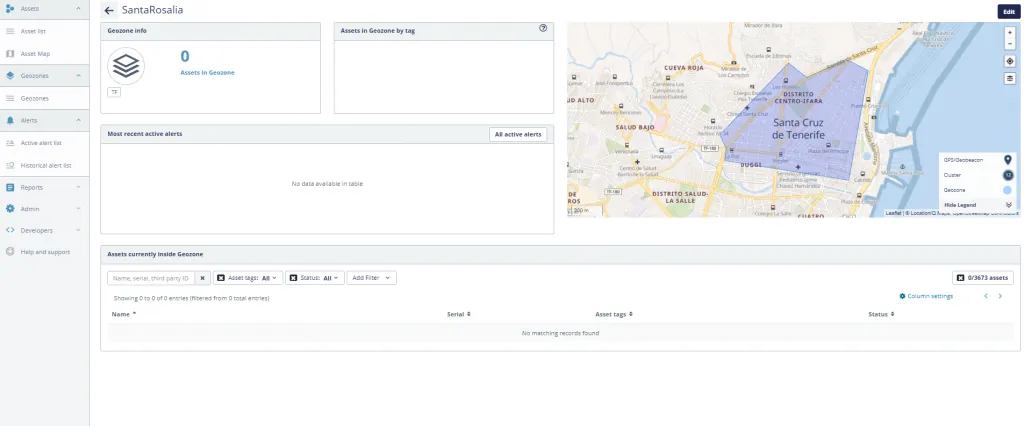
The ULTRA ATEX reports to the same platform as your other trackers. Essential covers the map, the history and geofences, Professional adds visit dashboards and scheduled reports, Analytics adds utilisation rates and maintenance.
The hardware
Which GPS tracker should you choose
for a hazardous goods fleet?
The ULTRA ATEX if the asset enters zone 1, 2, 21 or 22, even briefly. Otherwise a standard tracker, with a replaceable battery and removable mounting. On a mixed fleet, the right answer is often both.
Classified zone
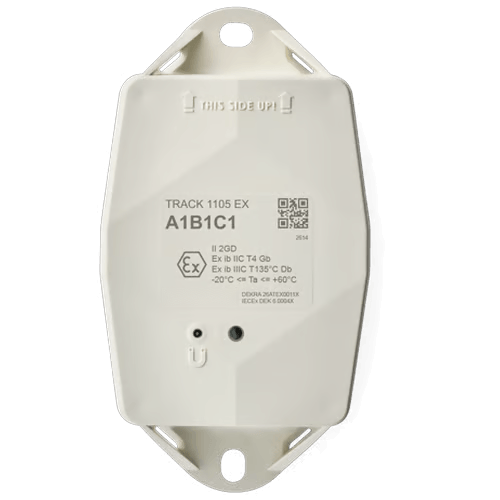
ATEX · IECEx · Launch early 2027
ULTRA ATEX
The only tracker in the range approved for classified zones. Dual network, five built-in sensors, fixed mounting with screws or rivets, non-replaceable battery.
View the product page →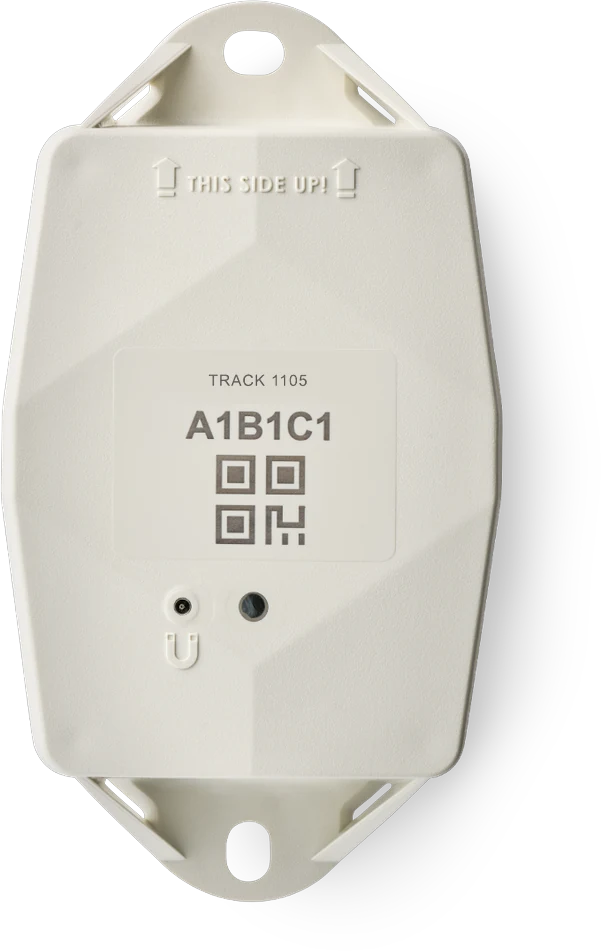
Outside classified zones · Mobile
ULTRA L+
Same format and same dual network as the ULTRA ATEX, without ATEX certification. For trailers and equipment that never enter a classified zone. Replaceable battery, magnetic mounting possible.
View the product page →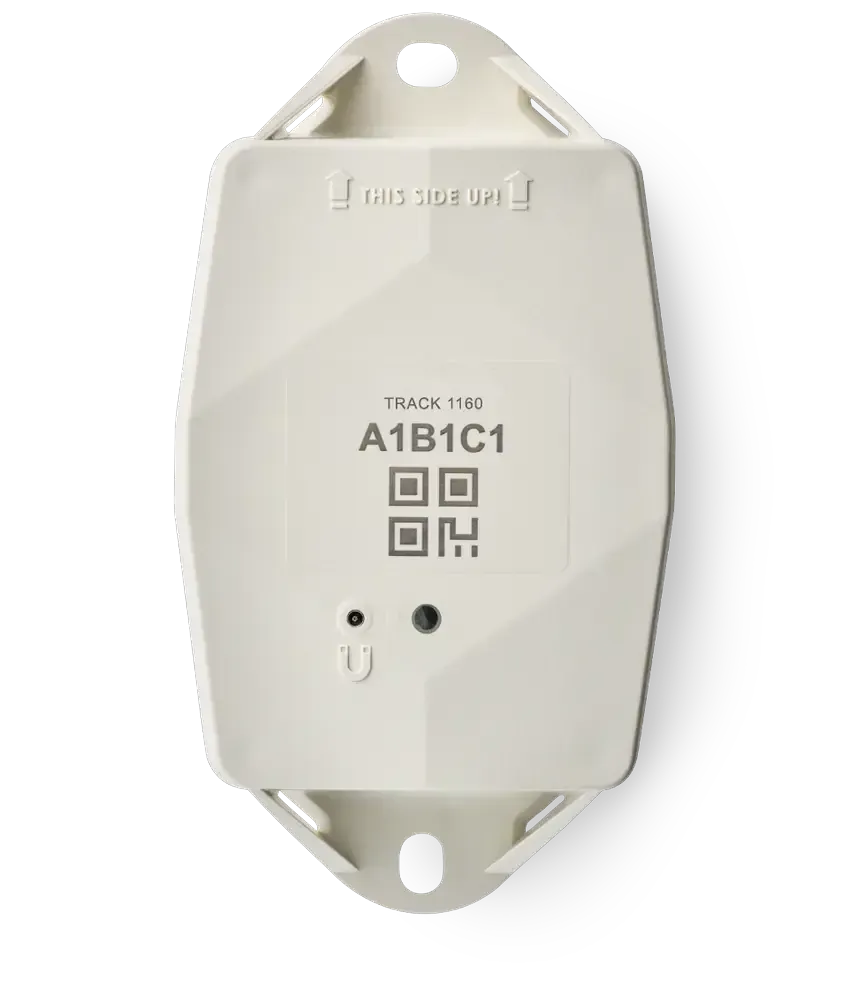
Outside classified zones · Global
ULTRA G
GLOBAL plan coverage for assets that leave Europe and North America. Not ATEX certified: it must not enter a classified zone.
View the product page →Frequently asked questions
Tracking tanks, IBCs and skips in ATEX zones
Which GPS tracker should you choose for a tank container that enters an ATEX zone?
You need a tracker certified for the zone it passes through. The ULTRA ATEX is marked II 2 GD: it is approved for zones 1, 2, 21 and 22, for gas and for dust. It is not approved for zones 0 and 20, which rules out the inside of a tank. It is therefore fixed on the outside, at a location whose zoning is compatible.
Can a tracker be fixed to a tanker or an ISO tank?
Yes, on the outside and on a structural part, never on the tank shell itself without approval. The certification requires a fixed installation, with screws or rivets, carried out by qualified personnel. Check with the manufacturer that drilling does not weaken the structure: this is essential on pressure equipment or dangerous goods transport equipment.
Does the tracker work when an ISO tank goes to sea or leaves Europe?
The ULTRA ATEX communicates over NB-IoT and LTE-M in the countries of the EXTENDED plan, in Europe, North America and a few other countries. At sea or outside coverage, it stores its positions and readings, then sends them automatically when the network returns. Outside the European Union, also check that the certificate is recognised for your classified zones.
Do you need to equip every IBC in a fleet?
No. The manufacturer cites metal IBCs certified UN 31A/Y. On a mixed fleet, start with the high-value IBCs, those that pass through a classified zone and those that are slow to come back. For a caged composite IBC, the fitting point and the business case are decided case by case during the study.
Does a GPS tracker replace the hazardous waste consignment note?
No. Regulatory tracking of hazardous waste relies on consignment notes and registers; in France, they are paperless and go through the Trackdéchets platform. The tracker follows the physical container: it shows where the skip is and since when, and adds to your operating data without standing in for any reporting obligation.
Does ADR require tanks to be tracked?
Not as a general rule. A note to section 1.10.3.3 of ADR 2025 refers to telemetry or other tracking devices to monitor the movement of high consequence dangerous goods, where appropriate and where the equipment is already fitted. Your dangerous goods safety adviser remains the right person to consult for your security plan.
How do you measure how long a tank stands idle at a customer's site?
You create one geofence per customer site, then the platform records every entry and every exit. The length of stay is calculated for each asset, and an alert can be triggered when it exceeds the agreed period. The scheduled reports of the Professional plan send this data to your teams.
Can you tell whether a tank is empty or full?
Not directly with the ULTRA ATEX: the tracker does not measure level, and it is never installed inside a tank. BLE level sensors are not ATEX certified: they are only fitted outside classified zones. On an asset that enters a zone, its state is inferred instead from site arrivals and departures.
Can the tracker be moved from one asset to another?
No. The certification requires a fixed installation, and no magnet kit is offered for this model. The tracker stays on the asset for its whole service life. For equipment that never enters a classified zone, the ULTRA L+ allows removable mounting.
How long does the ULTRA ATEX last?
Up to 10 years depending on environmental conditions and reporting frequency. The 10,800 mAh battery is not replaceable and the device must never be opened. The platform predicts the remaining life of each tracker, so you can plan its replacement.
When will the ULTRA ATEX be available, and how is it priced?
The launch is planned for early 2027. Pricing depends on volume, the platform plan and the contract length: it is set out in a tailored quote. Projects can be scoped now: asset inventory, zoning, fitting points and network coverage.
Project study
Book a meeting
with our experts
ULTRA ATEX launch planned for early 2027: let's prepare your project now.
✓Review of your assets and your flows
✓Reading of your zones and fitting points
✓Network coverage of your sites
✓Choice of platform plan
✓No commitment
TRAKmy resources
Find out more
Product
ATEX GPS tracker
The ULTRA ATEX in detail: marking, zones, specifications, PDF datasheet and 3D model.
Guide
GPS tracking in ATEX zones
Approved zones, how to read the marking and seven checks before you deploy.
Waste
Skip management
Tracking the skips and containers that never enter a classified zone.
Transport
Transport and fleets
Trailers, lorries and intermodal containers on a single platform.
Manufacturing
Tracking industrial containers
Flows between workshops, storage areas and units on the same site.
Method
Specification
Writing the specification for an asset tracking project.